Preplanning for Veterans
PLAN AHEAD
Preplanning for Veterans
Veterans who plan ahead can make sure their wishes are respected, creating a meaningful legacy for their loved ones and communities.
Why Military Veterans Should Consider Funeral Preplanning
For veterans, funeral preplanning is more than logistics—it’s a meaningful way to honor their service, ease the burden on family, and ensure their wishes are respected.
- Honoring Military Service
Preplanning lets veterans specify how their service is recognized—whether through a flag-draped casket, honor guard, or branch-specific ceremonies. - Easing Family Stress
By arranging details in advance, veterans spare loved ones from making difficult decisions during grief, allowing them to focus on healing. - Personalized Farewells
Veterans can tailor their service with choices like music, caskets, and other meaningful touches that reflect their values and personality. - Financial Benefits
Locking in costs now can prevent future financial strain. Preplanning also helps utilize veterans’ benefits for funeral expenses. - Peace of Mind and Harmony
Knowing their wishes will be honored brings veterans comfort and reduces potential family conflicts by clearly documenting preferences. - Simplified Access to Records and Benefits
Preplanning helps organize military documents needed for burial benefits such as national cemetery interment, government markers, and burial flags.
Book a meeting
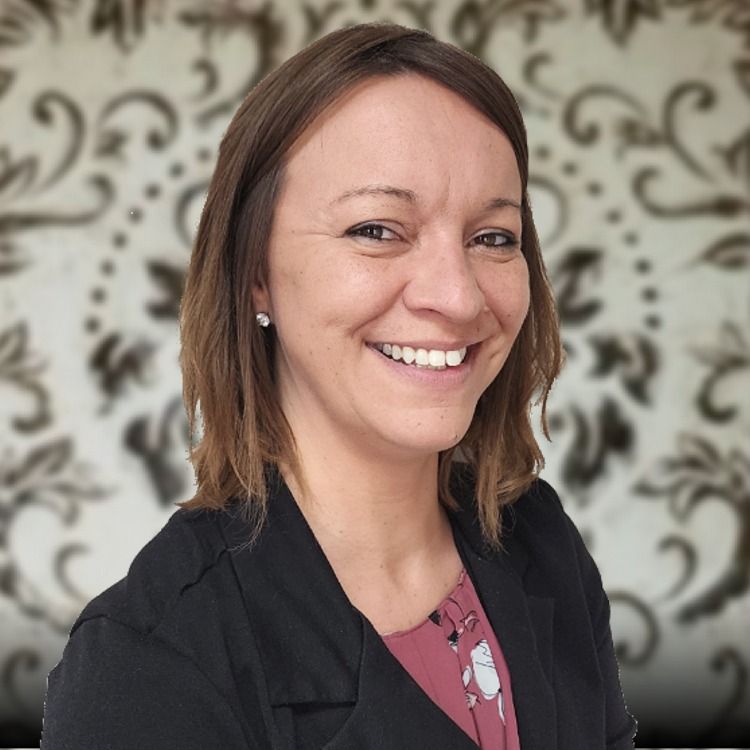
Schedule a meeting with Brandi our Family Service Counselor and Licensed Preplanning Specialist, to discuss your options and preferences. She will guide you through the process with care and expertise. Book a time that works best for you and start planning with confidence.
Our Locations
Where healing begins
We invite you to visit Nichols Bewley Funeral Home and experience a warm, peaceful setting where you can honor your loved one.

Community
involvement
At Nichols Bewley, we actively participate in the community through a range of initiatives. Our efforts include providing educational programs about end-of-life planning, engaging in charitable events, and organizing memorial activities, among other significant contributions.